Training That Fits How You Learn
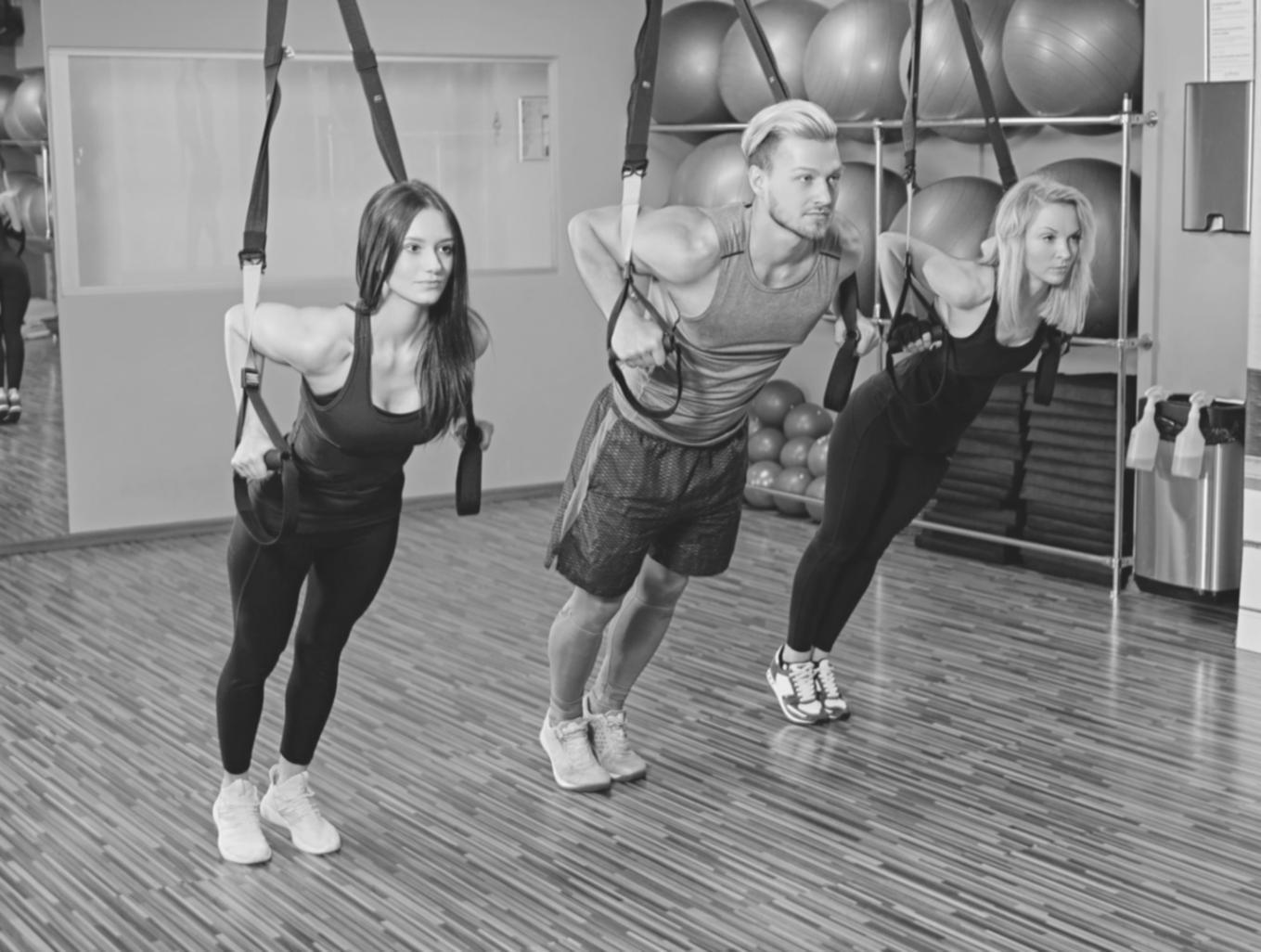
Choose between group sessions with teammates or focused one-on-one coaching. Progress through structured levels at your own pace while building real competition skills.
Pick Your Training Format
Different athletes learn differently. We offer three ways to train so you can choose what works for your schedule and learning style.
Group Sessions
Train with other athletes at your level. Group dynamics push you to stay consistent while instructors work with multiple students on common challenges and techniques.
Private Coaching
One instructor, full attention on your specific needs. We address your particular weaknesses, adjust pacing to match your progress, and design drills around your goals.
Hybrid Approach
Combine group energy with private refinement. Many athletes use group sessions for general skill building and add private coaching when preparing for specific competitions.
How the Program Works
Four progressive levels take you from learning basic routines to executing complex competition sequences. Each level builds specific skills before moving forward.
Foundation Phase
Build basic strength, flexibility, and body control. Learn fundamental positions and movements that form the basis of all gymnastics skills.
- Core conditioning exercises
- Basic balance and coordination drills
- Introduction to apparatus handling
- Proper warm-up and stretching routines
Skill Development
Master individual elements across different apparatus. Work on execution quality and begin linking movements into short sequences.
- Apparatus-specific techniques
- Movement combinations and transitions
- Form correction and refinement
- Introduction to scoring criteria
Routine Building
Construct complete routines with proper flow and pacing. Learn to maintain form under fatigue and perform consistently under observation.
- Full routine choreography
- Endurance training for complete performances
- Mental preparation techniques
- Mock judging sessions
Competition Prep
Polish routines for actual competition. Practice under pressure, refine difficult elements, and develop strategies for peak performance on competition day.
- Competition simulation sessions
- Difficulty optimization
- Recovery and injury prevention
- Performance psychology coaching
Your Instructors
Three coaches with competition experience across different gymnastics disciplines. They know what judges look for because they've been judged themselves.

Dmytro Yeremenko
Competed nationally for seven years before transitioning to coaching. Specializes in vault and floor exercise technique with focus on power development.
Kateryna Bilous
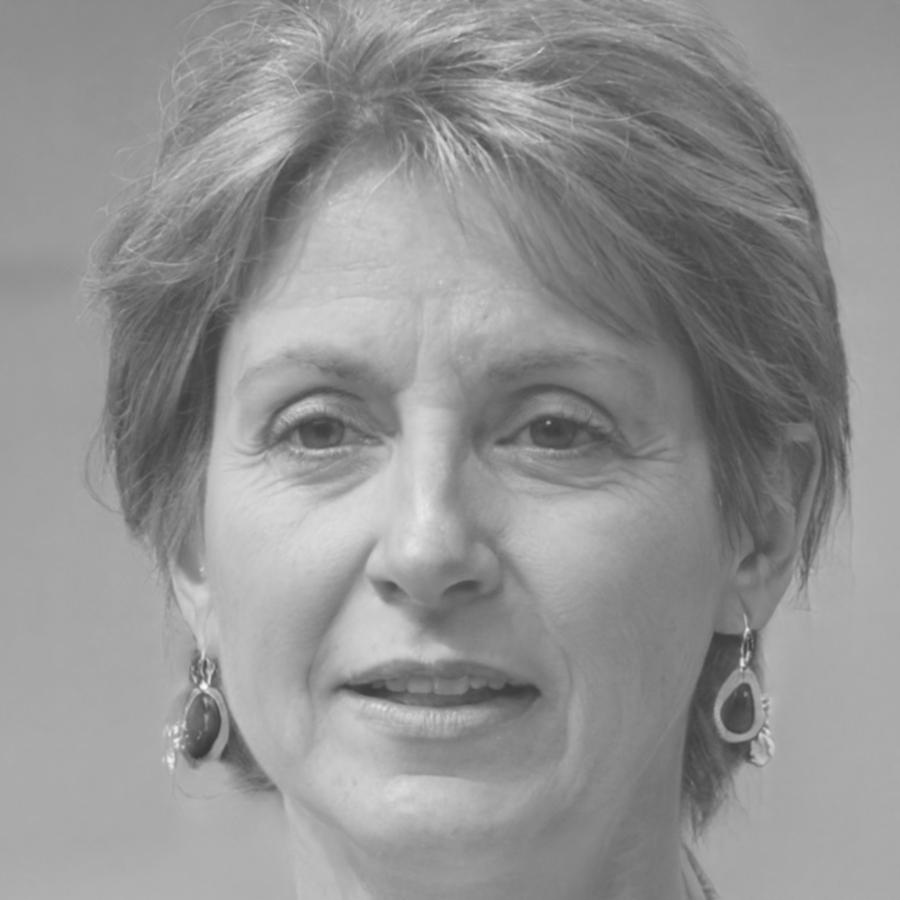
Former regional champion with expertise in apparatus work and choreography. Helps athletes develop expressive movement quality alongside technical precision.

Olena Shevchenko
Sports physiologist who competed in acrobatic gymnastics. Designs conditioning programs that reduce injury risk while building the strength competitions demand.